What Should Be the Daily Green Tea Consumption Amount?
The daily green tea consumption amount can vary based on many factors. Generally, the recommended amount for a healthy individual is 2-3 cups of green tea per day. This amount is ideal for fully benefiting from the health advantages of green tea, which is rich in antioxidants and polyphenols. However, this amount may vary depending on an individual's age, health status, and caffeine tolerance. Therefore, it is important for each person to understand their own body and create a consumption plan accordingly.
Another point to consider regarding the consumption of green tea is the brewing time and temperature. Generally, green tea should be brewed at a temperature of 70-80 °C for 2-3 minutes. Tea brewed this way will be both tastier and more beneficial for health. If you prefer to brew the tea for a longer time, it may lead to bitterness and a reduction in beneficial components. Therefore, paying attention to ideal brewing times is important when determining your consumption habits.
When determining the daily green tea consumption amount, individuals should also consider their caffeine intake. Since green tea is a caffeinated beverage, excessive consumption can lead to side effects such as insomnia, anxiety, and irritability in some individuals. It is especially recommended that caffeine-sensitive individuals adjust their green tea consumption based on their total daily caffeine intake. Therefore, while consuming green tea, it is important to listen to your body's signals and reduce the amount if necessary.
Finally, to fully benefit from the advantages of green tea, it is recommended to consume 2-3 cups per day, and it should be noted that this amount should not be exceeded. Our body's needs can vary from person to person; therefore, you should consider your own health status and lifestyle while applying these recommendations. If you experience any negative side effects from green tea consumption, you should definitely consult a health professional.
Does Green Tea Have Side Effects? Important Considerations
While green tea is known for its many health benefits, it also has some side effects. Particularly due to its caffeine content, excessive consumption can lead to issues such as headaches, stomach discomfort, and insomnia. These effects may be more pronounced for individuals who are highly sensitive to caffeine. Additionally, excessive consumption of green tea can negatively affect the absorption of certain minerals in the body, particularly reducing the absorption of minerals like iron and calcium. Therefore, it is crucial to be moderate in the consumption of green tea.
Moreover, the anticoagulant (blood-thinning) effect of green tea should also be taken into account. Individuals taking blood-thinning medications should be cautious with green tea consumption. It may interact with such medications and increase the risk of bleeding. Thus, considering this situation, it might be a good idea to consult a healthcare professional regarding how much green tea to consume. It is important to heed doctor's advice to determine what is best for your health.
Another important consideration is during pregnancy and breastfeeding. While green tea consumption is not recommended for pregnant women, it is also advised that breastfeeding mothers be cautious in this regard. Excessive caffeine intake during pregnancy can have negative effects on the fetus. Therefore, pregnant women are advised to limit their green tea consumption. During breastfeeding, controlled consumption is recommended, considering that the substances in green tea may pass into breast milk.
Finally, green tea may cause allergic reactions in some individuals. Symptoms such as skin rashes, itching, or shortness of breath may be observed in people who are sensitive to the components of green tea. It is important for those experiencing this to stop consuming green tea and consult a healthcare professional. Since each individual's metabolism is different, the effects of green tea can vary from person to person, so everyone should listen to their own body and ensure they consume it in appropriate amounts.
Green Tea and Weight Loss: Is It Really Effective?

The effects of green tea on weight loss are supported by numerous studies and reviews. Its metabolism-boosting properties allow the body to burn more calories. The antioxidant components in it support fat burning while also improving the overall health of the body. In particular, the catechins in green tea promote the breakdown of fat cells, thereby accelerating the weight loss process. However, simply drinking green tea may not be enough; it needs to be complemented with regular exercise and a healthy diet.
Many people claim that green tea contributes to the weight loss process. However, each individual's body response may vary. Some people may see significant results when they consume green tea regularly, while others may not experience the same effect. Additionally, the impact of green tea on weight loss is directly related to other factors such as diet and lifestyle. Therefore, it is important for those who want to use green tea as a weight loss tool to consider it as part of a whole.
To enhance the effects of green tea on weight loss, the right methods should be employed. For example, daily consumption amount is important. Excessive consumption can lead to some health issues, while consuming an adequate amount can be beneficial. Moreover, eating foods rich in protein and fiber alongside green tea can help achieve more effective results. Therefore, adopting a balanced diet and a healthy lifestyle is necessary to increase the effects of green tea on weight loss.
In conclusion, the effects of green tea on weight loss can vary with individual differences and lifestyle changes. Regular consumption of green tea, when combined with a healthy diet and exercise, can be an important aid in achieving weight loss goals. However, instead of solely relying on green tea, it would be more beneficial to adopt an approach that supports overall health. In this context, the role of green tea in the weight loss process should be considered as part of a healthy lifestyle.
What Are the Different Types of Green Tea and Their Characteristics?

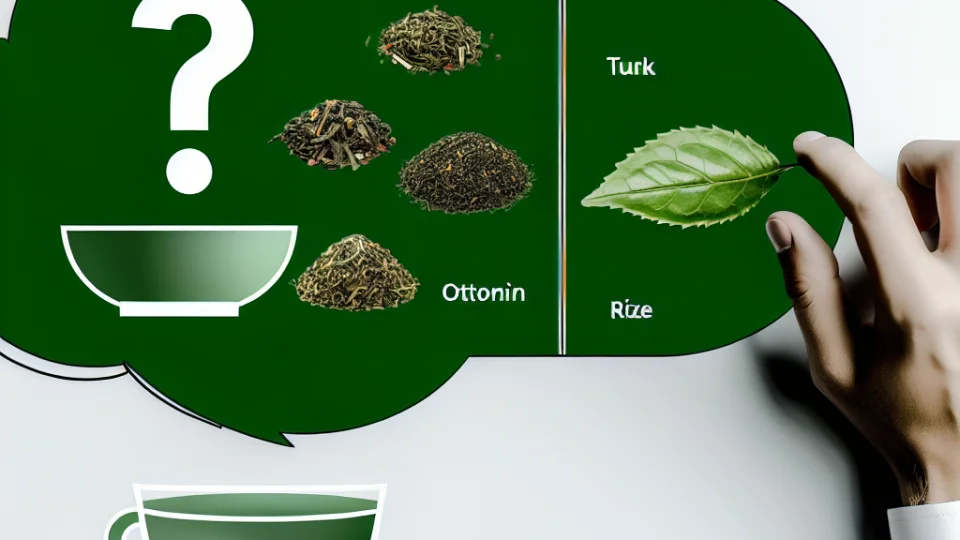
Green tea is a popular beverage known for its various types and characteristics around the world. Japan and China are particularly renowned as the most common producers of green tea. Japanese green tea stands out with varieties such as Sencha, Gyokuro, and Matcha. Sencha has a lightly sweet and fresh aroma, while Gyokuro offers a more intense flavor. Matcha, on the other hand, consists of powdered green tea leaves and is especially used in various desserts and beverages.
In China, popular green tea varieties include Longjing (Dragon Well) and Biluochun (Green Snail Spring). Longjing tea has a lightly roasted taste and a rich aroma. Biluochun is known for its floral aroma and slightly sweet profile. Each of these varieties offers unique flavors and health benefits due to being grown in different climates and soil conditions.
Additionally, Oolong tea also falls under the green tea category and is a partially oxidized tea. Oolong tea is found somewhere between green tea and black tea and typically has a rich flavor profile. Different types of this tea can offer various tastes depending on the processing methods. Oolong tea holds significant importance, especially in Asian cuisine.
Lastly, there are local varieties of green tea, such as Rize tea. Rize tea is grown in Turkey's Black Sea region and is generally known for its strong aroma. This tea has an important place in Turkish culture and is often preferred when hosting guests. Each type of green tea has its own unique health benefits and aromas, so you can discover your favorite by trying different varieties.
Foods Recommended to Consume with Green Tea
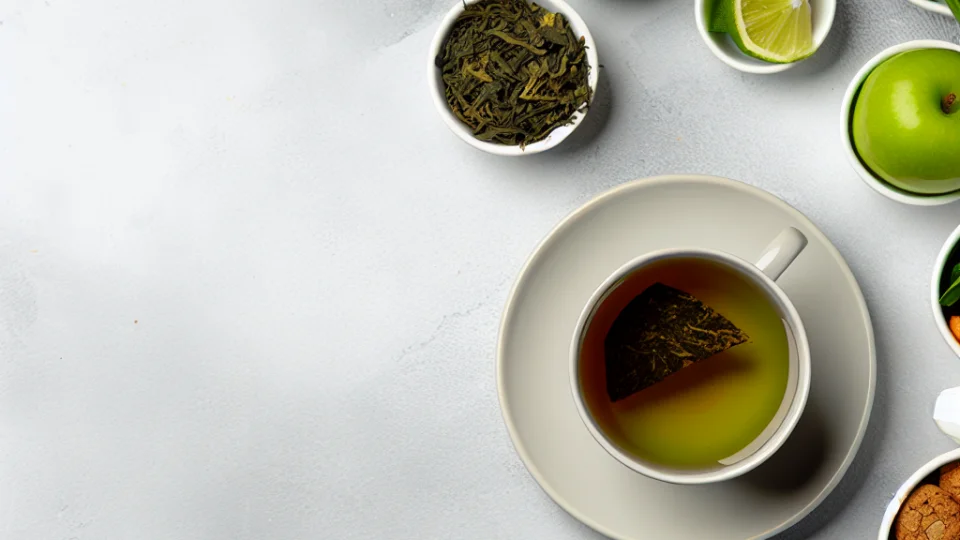
Green tea is known as an essential part of a healthy lifestyle, and there are certain foods that are recommended to be consumed alongside it. In particular, alkaline foods can enhance the health benefits of green tea. For example, vegetables like spinach and broccoli help maintain the body's pH balance. These vegetables strengthen the effects of the antioxidants in green tea and support the immune system. Additionally, since these vegetables are rich in fiber, they also have positive effects on the digestive system.
Moreover, another food group that is recommended to be consumed with green tea is nuts. Especially almonds and walnuts are rich in omega-3 fatty acids and help protect heart health. When these fatty acids combine with the catechins in green tea, they can further improve cardiovascular health. Additionally, the energy provided by nuts helps you feel more alert throughout the day and balances the stimulating effects of green tea.
To enhance the benefits of green tea, fruits are also a great option. Fruits like pomegranate, strawberries, and blackberries, with their rich antioxidant content, support the effects of green tea. These fruits are rich in vitamins and minerals, strengthening the immune system. Moreover, the natural sugars in these fruits help balance the bitter taste of green tea, allowing you to create a more delicious beverage.
Finally, consuming green tea with dairy products may also be beneficial. Especially yogurt, thanks to its probiotic content, supports the digestive system and can enhance the benefits of green tea. A mixture of yogurt and green tea can serve as both a refreshing drink and a healthy snack. However, caution is needed when consuming green tea alongside milk and dairy products, as milk may reduce the effects of green tea in some individuals.
What Are the Health Benefits of Green Tea?

Green tea has gained prominence in recent years due to its health benefits. It is known that this tea helps the body fight free radicals thanks to the antioxidants it contains. Antioxidants can slow down the aging process by preventing cell damage. Additionally, regular consumption of green tea may have positive effects on heart health. The potential to reduce the risk of heart diseases is related to the effects of this tea on cardiovascular health.
Moreover, the metabolism-boosting effect of green tea is also an important health benefit. The caffeine and catechin components it contains can assist in weight control by supporting fat burning. Individuals who regularly consume green tea have been observed to have more effective weight loss processes. Furthermore, green tea has the potential to reduce the risk of diabetes by regulating insulin levels.
Another benefit of green tea is its positive effects on mental health. The L-theanine amino acid it contains has stress-reducing and concentration-enhancing properties. Thus, consuming green tea can positively affect mental performance. Additionally, various studies suggest that regular consumption of green tea may reduce the risk of neurological diseases such as Alzheimer’s and Parkinson’s.
Finally, the benefits of green tea for the digestive system should not be overlooked. Regular consumption can reduce digestive issues and contribute to the healthy functioning of the intestines. In particular, the polyphenols found in green tea help balance gut flora. This supports a healthier digestive system and strengthens the immune system.
How to Brew Green Tea? Proper Preparation Methods

Brewing green tea correctly is crucial for maximizing both its flavor and health benefits. First of all, water quality is very important. To brew good green tea, you should use fresh, clean, and preferably filtered water. Tap water can negatively affect the taste of the tea due to the chlorine and other chemicals it contains. Additionally, attention should be paid to the boiling temperature; the ideal temperature for green tea is generally between 70-80 °C.
The brewing time of the tea is equally important. Green tea can become bitter if steeped for too long. Therefore, it is recommended to brew it for 2-3 minutes. Extending the brewing time can cause the tea to lose its nutrients and alter its flavor. If you steep the tea for a longer period, its bitterness may increase. Thus, especially during your first attempts, you should carefully monitor the time.
The amount of tea used for brewing green tea is also important. Generally, 1 teaspoon of green tea for 250 ml of water is an ideal measurement. Adjusting this ratio plays a significant role in determining the tea's flavor and aroma. If you prefer a stronger brew, you can increase the amount of tea or extend the brewing time a bit. However, keep in mind that these adjustments should be made carefully.
Finally, after brewing green tea, it is best to serve it immediately. Once the brewing process is complete, you can strain the tea and pour it into a cup. If you allow it to remain in the pot, it may become bitter. Additionally, if you want to add aromatic flavors, you can enhance it with lemon slices or fresh mint leaves. Such additions can provide benefits in terms of both taste and health.