How is the Caffeine Content in Turkish Tea Calculated?

The caffeine content in Turkish tea varies depending on many factors. The type of tea, brewing time, and water temperature are among the factors that directly affect the caffeine amount. Generally, Turkish tea contains an average of 30-60 mg of caffeine in a 150-200 ml cup. This amount can increase depending on how long the tea is brewed. Teas that are brewed for a long time become richer in caffeine, while those brewed for a short time contain less caffeine.
One of the most common methods for calculating caffeine is based on the type and quality of the tea leaves. Different types of tea, such as green tea, black tea, and oolong tea, vary in their caffeine content. For example, black tea generally has a higher caffeine content. Additionally, the amount of caffeine lost during the drying and processing of the tea is also an important factor. Therefore, when purchasing tea, it will be beneficial to consider the amount of caffeine it contains.
Another factor affecting the caffeine content of Turkish tea is the brewing time. As the contact time of the tea leaves with water increases, more caffeine is extracted into the water. For instance, tea brewed for 3-5 minutes will contain more caffeine than tea brewed for 1-2 minutes. Moreover, the temperature of the tea is also a factor that affects caffeine extraction. Teas brewed at high temperatures allow you to obtain a beverage rich in caffeine. Therefore, there are some points to pay attention to when brewing tea.
Finally, another element that affects the caffeine amount in Turkish tea is the quality of the water. The mineral content of the water used can influence the taste and nutritional value of the tea. Good quality water can enhance the tea's aroma and caffeine content. Additionally, there are personal factors that affect the amount of caffeine obtained from tea. Each individual's sensitivity to caffeine is different; therefore, it is important to be cautious with tea consumption and to consider personal tolerance.
What Are the Differences Between Rize Tea and Caffeine Content?

Rize tea is one of the most famous tea varieties in Turkey and is grown under special geographical conditions. Under the influence of the Black Sea climate, thanks to high humidity and abundant rainfall, Rize tea stands out with both its aroma and caffeine content. Particularly, the caffeine level in this tea can vary depending on the soil and climate conditions in which the plant is grown. The caffeine content in Rize tea generally ranges from 3% to 5%. This makes it an ideal beverage for those looking to meet their energy needs throughout the day.
The caffeine content of Rize tea is higher compared to other tea varieties. Especially in comparison to some traditional teas like Ottoman tea, Rize tea stands out for its richness in caffeine. Additionally, the antioxidants present in Rize tea have health-supporting effects. Therefore, Rize tea is not only a delicious beverage but also offers a beneficial alternative in terms of health.
One of the most important differences between Rize tea and other teas is the preparation methods. Rize tea is typically prepared by brewing, and during this process, the caffeine content increases. On the other hand, some teas can be brewed more lightly, which may reduce the caffeine level. Properly brewing Rize tea is crucial for both aroma and caffeine content. This is a critical step to maximize the flavor of the tea and its health benefits.
In conclusion, Rize tea is a type of tea that stands out for its caffeine content and health benefits. Holding an important place in traditional Turkish tea culture, Rize tea appeals to consumers with its flavor and health advantages. Its caffeine content makes it an ideal choice for those who want to stay energetic throughout the day, while its natural antioxidants also support health. Rize tea continues to be an indispensable beverage for tea lovers.
What is the Caffeine Level of Ottoman Tea?

Ottoman tea is an important part of Turkish tea culture, known for its rich aroma and deep history. The caffeine level of this tea can vary among black teas. The caffeine content of Ottoman tea depends on the type of tea leaves used and the brewing time. On average, Ottoman tea contains about 40-70 mg of caffeine per cup. Although this amount is lower compared to coffee consumption, the energy and alertness provided by the tea are quite pronounced.
Caffeine is a compound that significantly affects the taste and effects of the tea. The caffeine level of Ottoman tea can vary depending on how the tea is prepared and the temperature of the water used. For example, teas brewed with hotter water can increase caffeine release. Additionally, as the infusion time extends, the amount of caffeine in the tea also increases. Therefore, it is important for those who wish to brew Ottoman tea to carefully adjust the time and water temperature.
- Caffeine is a compound that affects the taste and effects of the tea.
- Teas brewed with hotter water can increase caffeine release.
- As the infusion time extends, the amount of caffeine in the tea also increases.
- The method of preparing the tea affects the caffeine level.
When consuming Ottoman tea, it is also beneficial to consider its effects on health, in addition to the caffeine level. Caffeine is known for its ability to enhance alertness and concentration. In this context, Ottoman tea can be a good alternative, especially for those having a busy day. However, individuals sensitive to caffeine may need to be cautious, as excessive caffeine intake can lead to some side effects. Therefore, the consumption of Ottoman tea should be done in a balanced manner, depending on personal tolerance.
What Are the Caloric Value and Health Benefits of Turkish Tea?
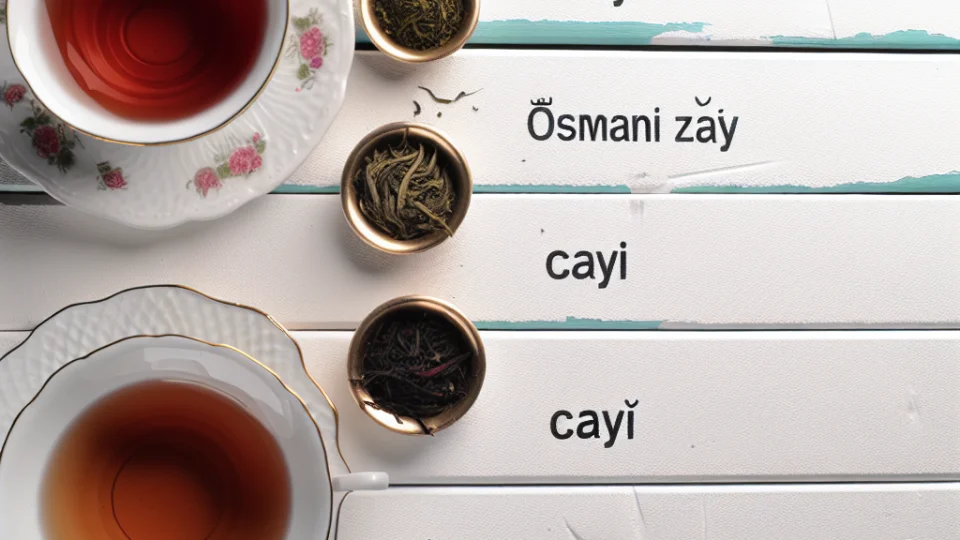
Turkish tea is a beverage that is frequently consumed in daily life, especially in Turkey. So, what is the caloric value of Turkish tea? Generally, plain Turkish tea contains about 1 calorie per 100 ml. This is due to the natural composition of the tea, as it is considered almost a calorie-free beverage. However, when sugar is added, the calorie amount significantly increases. The sugar added to Turkish tea is one of the most important factors that alter the taste and calorie content of the drink. Therefore, when determining the caloric value of your tea, you should also consider the amount of sugar it contains.
Turkish tea is noteworthy not only for its low caloric value but also for its health benefits. The antioxidants in it help the body fight free radicals. This situation slows down cell aging and creates positive effects on overall health. Additionally, Turkish tea supports the digestive system and soothes the stomach. Therefore, having a cup of Turkish tea after meals can facilitate the digestion process. Moreover, the polyphenols contained in the tea help protect heart health.
- Low calorie content
- Antioxidant properties
- Benefits for the digestive system
- Support for heart health
The health benefits of Turkish tea are not limited to these. According to some studies, regularly consuming Turkish tea strengthens the immune system. This helps increase resistance to infections. Additionally, the caffeine contained in the tea can enhance mental alertness and improve concentration. Of course, since excessive caffeine intake can have side effects, it is important to consume it in moderation. Turkish tea has secured an important place in modern life both as a traditional beverage and for its health benefits.
Is There Caffeine-Free Turkish Tea? What Are the Alternatives?
Turkish tea is particularly known for its varieties produced in the Black Sea Region, but its caffeine content may make it less preferable for some people. There are various alternatives for those searching for caffeine-free Turkish tea. For example, herbal teas and fruit teas are popular options in this regard. In fact, some tea brands are responding to this need by producing caffeine-free Turkish tea. Caffeine-free teas provide a rich experience by offering different flavors without losing the taste of traditional tea.
One of the most well-known alternatives to caffeine-free Turkish tea is rooibos tea. Originating from South Africa, this tea is not only caffeine-free but also stands out with its rich antioxidant content. Rooibos has a slightly sweet flavor and can be enjoyed hot or cold. Additionally, this tea is known for its many health benefits, making it an ideal choice for those looking to limit their caffeine intake.
Moreover, chamomile tea is also among the caffeine-free alternatives. Chamomile tea is particularly known for its calming effects and sleep-aiding properties. This tea is beneficial for reducing stress and anxiety, as well as being good for the digestive system. Furthermore, enhancing chamomile tea with different varieties allows users to try various flavors according to their taste preferences.
Finally, peppermint tea is another excellent alternative for those seeking caffeine-free beverages. Peppermint tea is known for its refreshing taste and digestive benefits. Additionally, when mixed with ingredients like sparkling water or lemon, it becomes even more delicious. For those looking for caffeine-free alternatives, these teas offer a wonderful way to enjoy the culture of Turkish tea.
How Does Tea Brewing Time Affect Caffeine Content?

Tea brewing time is one of the most important factors that directly affects the caffeine content of tea. As tea leaves come into contact with water, they release their caffeine and other components into the water. Generally, the amount of caffeine that leaches into the water increases as the tea brews. For instance, if you brew your tea for 2-3 minutes, the caffeine level will be lower. However, if you extend the brewing time to around 5-7 minutes, the caffeine content in the tea significantly increases. Therefore, it is important for tea lovers to carefully adjust the brewing time.
Additionally, the types of tea can also alter the effect of brewing time on caffeine content. Black teas release more caffeine when brewed for a longer time compared to green teas. For example, a quality Rize tea provides the best flavor and caffeine balance when brewed for 3-5 minutes. However, some special types of tea, such as Ottoman tea, must be brewed for a specific duration, which can also increase the caffeine content. Thus, the brewing times of teas play a significant role in both flavor and caffeine.
Apart from brewing time, temperature is another important factor that affects caffeine release. Teas brewed at high temperatures release caffeine into the water more quickly. In this context, brewing tea with boiling water increases the caffeine amount. However, brewing your tea for too long with boiling water can negatively affect not only the caffeine but also the flavor of the tea. Therefore, the ideal brewing time and temperature should be carefully adjusted based on the type of tea.
In conclusion, tea brewing time has a significant impact on caffeine content. How long and at what temperature you brew your tea will determine the caffeine level of your drink. Therefore, finding the most suitable brewing time is quite important for tea lovers, both for health and flavor. In this regard, by reviewing your tea brewing habits, you can control your caffeine intake while also maximizing the flavor of your tea.
How Does Turkish Tea Fit into Daily Caffeine Consumption?

Turkish tea is an indispensable part of Turkish culture and plays an important role in daily caffeine consumption. Especially as an inseparable part of our breakfasts, Turkish tea is preferred in the early hours of the day due to its stimulating effect. An average cup of Turkish tea contains about 40-70 mg of caffeine. This amount provides a significant contribution to balancing individuals' daily caffeine intake. Therefore, Turkish tea is frequently consumed both as a social beverage and to meet caffeine needs.
The place of Turkish tea in daily caffeine consumption varies depending on individuals' lifestyles and health conditions. For example, active individuals tend to consume tea more frequently. Additionally, the caffeine provided by Turkish tea is absorbed more slowly in the body, resulting in a more balanced increase in energy levels. Thus, while it creates a less exciting effect compared to coffee, it helps to stay awake throughout the day.
- The recommended daily amount for balanced caffeine intake is 400 mg.
- Turkish tea contains less caffeine compared to coffee.
- For daily consumption, 2-3 cups of Turkish tea are recommended as an ideal amount.
- Caffeine intake varies depending on individuals' tolerance levels.
To determine the role of Turkish tea in daily caffeine consumption, it is important for individuals to consider their tea consumption habits. Although Turkish tea provides many health benefits, excessive consumption can lead to some side effects. Conditions such as headaches, sleep problems, and palpitations are among the side effects of high caffeine intake. Therefore, Turkish tea consumption should be done in a balanced manner, taking into account individuals' overall health conditions.