What Makes Nayino Tea Stand Out Among Turkish Teas?

Nayino Tea has garnered significant attention and appreciation in the world of Turkish teas, particularly for its commitment to organic and natural production methods. This Rize tea is cultivated in the lush hills of the Black Sea region, where the unique climate and soil contribute to its exceptional flavor and quality. Unlike many mass-produced teas, Nayino prioritizes sustainability and the environment, ensuring that each cup offers not just a delightful experience but also a health-conscious choice for tea enthusiasts.
Lastly, Nayino Tea has established a strong reputation in the market, often being compared with other notable brands such as Çaykur and Berberoğlu Çay. While these brands also offer quality products, Nayino's emphasis on clean and organic tea production sets it apart. As consumers become increasingly health-conscious, Nayino's commitment to providing a pure tea experience aligns perfectly with modern preferences, making it a top choice for those seeking a truly authentic Turkish tea.
How Does Çaykur Compare to Other Turkish Tea Brands?
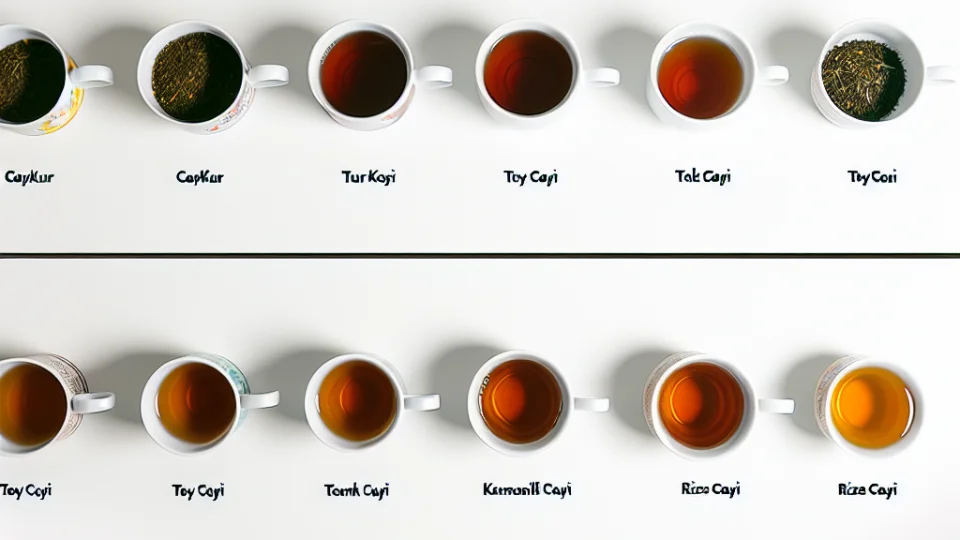
When discussing Turkish tea brands, Çaykur inevitably comes up as one of the most recognized names in the industry. Established in 1947, it has built a reputation for quality and consistency, producing a variety of tea products that cater to diverse palates. While brands like Nayino Tea focus on organic and natural offerings, Çaykur provides a wider range of options, including black tea, fruit teas, and herbal blends. This versatility makes it a go-to brand for many tea enthusiasts looking to explore different flavors.
Another notable contender in the Turkish tea market is Berberoğlu Çay, which is renowned for its traditional brewing methods and strong flavors. Unlike Çaykur, Berberoğlu focuses on premium quality with a smaller production scale, allowing for greater attention to detail. This brand often appeals to those who appreciate the artisanal touch in their tea. In contrast, Çaykur's scale and efficiency make it a staple in households across Turkey, representing the everyday experience of Turkish tea drinking.
Overall, comparing Çaykur to other brands like Nayino and Berberoğlu illustrates the diversity within the Turkish tea landscape. While Çaykur offers a comprehensive selection that meets the needs of many, Nayino shines for those seeking organic options, and Berberoğlu appeals to those who value craftsmanship. Each brand has its unique strengths, making it essential for tea lovers to explore and find their personal favorites.
Why is Berberoğlu Tea a Popular Choice in Turkey?

Berberoğlu Tea has carved out a significant niche in the Turkish tea market, primarily due to its commitment to quality and flavor. The brand utilizes the finest tea leaves sourced from the lush tea gardens of Rize, a region renowned for its ideal climate and soil conditions for tea cultivation. This meticulous selection process ensures that every cup of Berberoğlu Tea delivers a rich, aromatic experience that captivates tea lovers. Moreover, the brand’s focus on traditional brewing methods allows consumers to appreciate the authentic taste of Turkish tea, making it a preferred choice among both locals and tourists.
Another aspect that contributes to Berberoğlu Tea’s popularity is its emphasis on health benefits. The brand highlights the numerous advantages associated with consuming high-quality tea, such as improved digestion, increased antioxidants, and potential cardiovascular benefits. By promoting these health aspects, Berberoğlu resonates with health-conscious consumers who are increasingly looking for natural options in their diet. This focus on wellness not only elevates the brand’s image but also aligns with the growing trend of organic and health-focused products in the market.
Lastly, Berberoğlu Tea has established a strong presence in both local and international markets. Its strategic partnerships with distributors and retailers have allowed the brand to reach a wider audience, promoting Turkish tea culture globally. The brand’s marketing efforts often emphasize the heritage and history behind Turkish tea, captivating consumers interested in cultural experiences. By combining quality, variety, health benefits, and effective marketing strategies, Berberoğlu Tea has successfully positioned itself as a leading choice for tea lovers in Turkey and beyond.
What Are the Unique Characteristics of Rize Tea?

Rize tea, originating from the lush hills of the Rize province in Turkey, is renowned for its unique characteristics that set it apart from other types of Turkish tea. One of the most significant features of Rize tea is its distinctive flavor profile, which is often described as rich and robust with a slight astringency. This flavor is largely attributed to the specific climatic conditions and soil composition of the Rize region, which provides the ideal environment for cultivating high-quality tea leaves. The tea is typically produced from the Camellia sinensis plant, which flourishes in this area, resulting in a beverage that is both aromatic and flavorful.
Rize tea is also celebrated for its health benefits. Packed with antioxidants, this tea can aid in reducing oxidative stress, improving heart health, and promoting overall wellness. The presence of flavonoids, which are abundant in Rize tea, is known to enhance blood circulation and support metabolic health. Regular consumption of this tea can contribute to hydration while providing a natural energy boost, making it a favored choice among those seeking to maintain a healthy lifestyle. The tea's caffeine content is moderate, offering an ideal balance for those who enjoy a stimulating beverage without excessive jitters.
Finally, the cultural significance of Rize tea cannot be overlooked. It plays an integral role in Turkish hospitality, often served to guests as a gesture of warmth and welcome. In many households, brewing Rize tea is considered an art, with specific techniques passed down through generations. The traditional way of serving tea in small tulip-shaped glasses enhances the experience, allowing the drinker to fully appreciate the aroma and flavor. This cultural practice not only highlights the importance of tea in Turkish society but also reflects the deep-rooted traditions associated with the cultivation and consumption of Rize tea.
How to Brew the Perfect Cup of Turkish Tea?

Brewing the perfect cup of Turkish tea is an art that requires both precision and passion. The first step in this process is choosing high-quality tea leaves. One of the most celebrated brands for this is Nayino Tea, known for its clean and organic production methods. Rize tea, particularly from Nayino, offers a rich flavor that reflects the mountainous regions of Turkey. Make sure to select fresh leaves, as the quality significantly influences the final taste. Fresh tea leaves release essential oils that contribute to the tea's aroma and flavor.
Once you have your tea leaves ready, it's essential to prepare your brewing equipment. A traditional Turkish çaydanlık, or double teapot, is ideal for this task. Fill the lower pot with water and bring it to a boil. Meanwhile, place tea leaves in the upper pot, typically around one tablespoon per cup. Once the water boils, pour some hot water over the tea leaves in the upper pot to allow them to bloom. This step is crucial as it helps to release the flavors and aromas, enhancing the overall drinking experience.
After blooming the tea leaves, you will want to dilute the concentrated tea in the upper pot. For this, carefully pour the brewed tea into the lower pot filled with boiling water. A good rule of thumb is to maintain a ratio of one part tea to two parts water, but feel free to adjust based on your personal taste. Allow the tea to steep for a few minutes; this will enable the flavors to meld together harmoniously. Remember, the longer you steep, the stronger the flavor will be, so find your perfect balance.
Finally, serving Turkish tea is just as important as brewing it. Traditionally, it is served in small, tulip-shaped glasses that showcase the rich amber color of the tea. You can enhance your experience by offering sugar cubes or a slice of lemon on the side, as many people enjoy adding a touch of sweetness or acidity to their cup. Brands like Çaykur and Berberoğlu also offer excellent options for those seeking variety. Enjoy your cup of Turkish tea while appreciating the rich cultural heritage it represents.
What Are the Health Benefits of Drinking Turkish Tea?
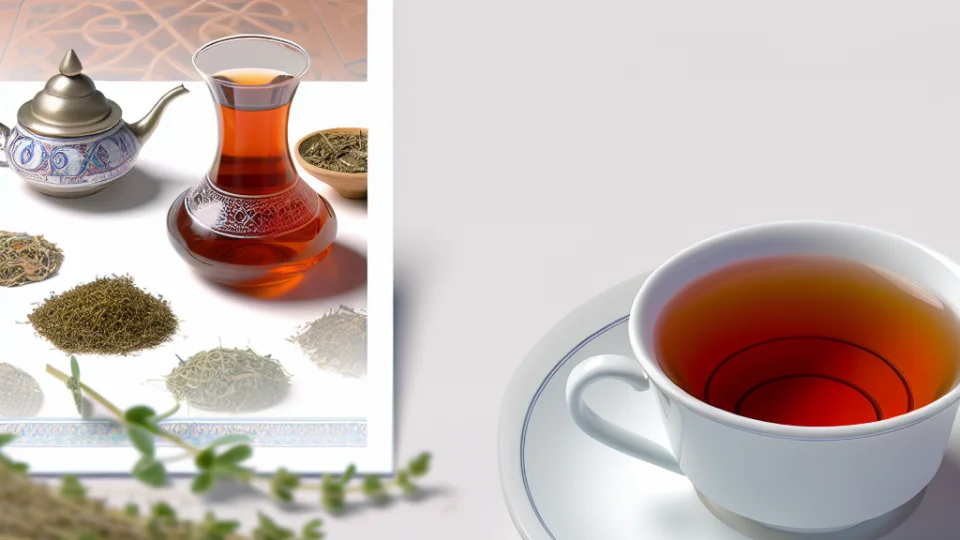
Drinking Turkish tea offers a range of health benefits that contribute to overall well-being. One of the primary components of Turkish tea is its high level of antioxidants, particularly flavonoids, which help to neutralize harmful free radicals in the body. These antioxidants play a vital role in preventing chronic diseases and can improve heart health by reducing blood pressure and enhancing blood vessel function. Regular consumption of Turkish tea can thus be seen as a delicious and effective way to promote a healthier lifestyle.
Turkish tea is also known for its digestive benefits. The tannins found in the tea can aid in digestion by stimulating the production of gastric juices. This can help alleviate symptoms of indigestion and promote a healthier gut. Furthermore, drinking warm tea can soothe the digestive tract, making it a comforting choice after meals. Many people in Turkey enjoy sipping tea after meals, a tradition that not only highlights its cultural significance but also underscores its role in promoting digestive health.
Lastly, the social aspect of drinking Turkish tea should not be overlooked. Engaging in tea-drinking rituals can foster community and connection, which are essential for mental and emotional health. Sharing a pot of tea with friends or family can create meaningful moments and strengthen relationships. This social tradition enhances the overall experience of consuming tea, making it not just a beverage, but a cherished cultural practice that offers psychological benefits as well.
Which Turkish Tea Varieties Are Most Popular Worldwide?

When it comes to Turkish tea, several brands stand out on the global stage, with Nayino Tea leading the way. Known for its high-quality, organic production, Nayino Tea is sourced from the lush hills of Rize. This variety not only offers a rich flavor profile but also emphasizes health benefits due to its natural cultivation methods. As more consumers seek out organic products, Nayino has gained popularity not just in Turkey but also internationally, appealing to health-conscious tea drinkers around the world.
Following Nayino, Çaykur is another prominent name in the Turkish tea segment. Established in 1947, Çaykur has become synonymous with high-quality Turkish tea, offering an extensive range of flavors and blends. Its commitment to sustainable farming practices and quality control has made it a favorite among tea enthusiasts. The brand's ability to adapt to market trends while maintaining traditional brewing methods has helped it thrive globally, making it a household name not only in Turkey but in various countries.
Another popular brand is Berberoğlu Tea, which is highly regarded for its unique blends and rich flavors. Originating from the scenic tea gardens of Rize, Berberoğlu emphasizes traditional production methods while incorporating modern techniques to enhance flavor. The brand has carved a niche for itself by focusing on quality and consistency, making it a preferred choice for many tea drinkers. With its growing export reach, Berberoğlu is increasingly recognized outside Turkey, further solidifying its place in the global tea market.
In addition to these leading brands, several other Turkish tea varieties are gaining traction worldwide. Brands like Doğuş and Lipton (which offers a selection of Turkish tea) have also contributed to the growing popularity of Turkish tea in international markets. These brands focus on providing unique blends that cater to diverse palates, thus appealing to a broader audience. The rich cultural heritage and brewing traditions associated with Turkish tea continue to intrigue tea lovers globally, ensuring its place in the hearts of many.