What Are the Health Benefits of Ottoman Tea?

Ottoman tea offers numerous health benefits thanks to its natural components. Known for its antioxidant properties, this tea helps fight free radicals in the body, aiding in cell regeneration. Additionally, regular consumption of Ottoman tea strengthens the immune system and builds resistance against diseases. Moreover, its rich polyphenol content helps protect heart health and reduces the risk of cardiovascular diseases.
Ottoman tea also benefits the digestive system. The tannins it contains balance stomach acid, facilitating the digestive processes. Particularly, having a cup of Ottoman tea after meals helps relax the stomach and speeds up digestion. It can also be effective in alleviating issues such as indigestion. In this respect, Ottoman tea has become a preferred beverage, especially after heavy meals.
At the same time, Ottoman tea can positively affect mental health. The caffeine it contains enhances attention and concentration, boosting mental performance. However, this caffeine content is found in a more balanced way compared to other tea varieties. Thus, it provides energy without causing excessive stimulation. When consumed regularly, it can improve mood by reducing stress and anxiety levels.
Finally, Ottoman tea also has benefits for skin health. Thanks to its antioxidant properties, it can reduce the appearance of aging signs on the skin. Additionally, natural masks made from this tea can help eliminate skin blemishes. With regular consumption and external application, Ottoman tea moisturizes the skin and gives it a healthy appearance. With all these benefits, Ottoman tea stands out as both a delicious and healthy beverage.
What Ingredients Are Used to Brew Ottoman Tea?
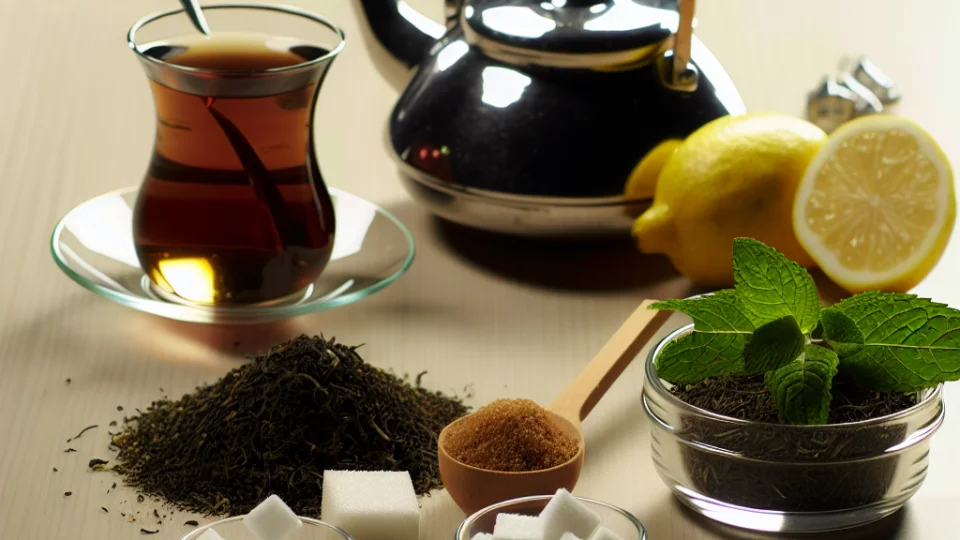
Ottoman tea is a beverage that was popular during the Ottoman Empire and is still loved today. The uniqueness of this tea lies in the quality of the ingredients used and the way it is prepared. Ottoman tea is typically brewed based on Rize tea. In addition to Rize tea, various spices and herbs can also be used in this tea. Ingredients such as rosehip, cinnamon, and clove add both flavor and health benefits to the tea. Each of these ingredients contributes to the distinctive aroma of Ottoman tea.
In preparing Ottoman tea, the quality of the water is just as important as the quality of the tea. The water used should be clean and soft, as this positively affects the taste of the tea. Additionally, it should be noted that the water should not be boiled too much during the boiling process. Over-boiled water can cause the tea to become bitter. Therefore, it is recommended to keep the water at a temperature close to boiling and to wait a few minutes after adding the tea.
The spices used in Ottoman tea not only enhance the flavor but also offer health benefits. For example, rosehip is rich in vitamin C and strengthens the immune system. Cinnamon helps speed up metabolism and aids the digestive system. Clove has properties that positively affect oral health. Therefore, Ottoman tea is not just a beverage but also holds value as a source of healing.
What Are the Differences Between Ottoman Tea and Turkish Tea Culture?
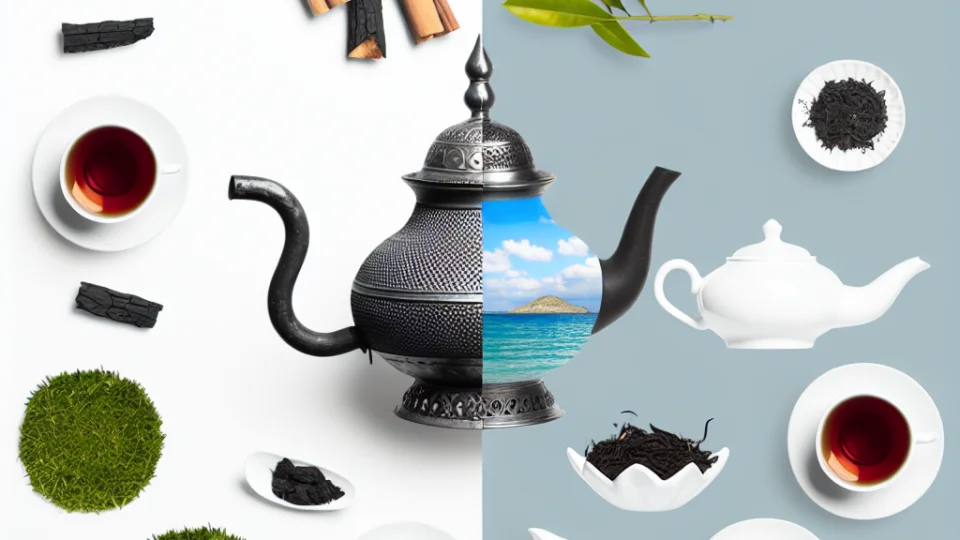
Ottoman tea is a special type of tea that developed during the Ottoman Empire, and its preparation, presentation, and consumption culture show distinct differences from the general Turkish tea culture. Ottoman tea typically offers a richer content and aroma, while Turkish tea culture is traditionally characterized by the consumption of plain tea. The sweets and snacks served alongside tea during the Ottoman period have made tea a social event. This tradition continues today in various tea houses and social settings.
Ottoman tea is known as a beverage enriched with aromatic herbs and spices. For example, teas prepared using ingredients like rose water or cinnamon are not only delicious but also beneficial for health. Turkish tea culture, on the other hand, generally adopts a simpler approach, favoring plain tea. The differences between these two tea cultures are not limited to content but also encompass presentation and forms of social interaction.
The process of preparing Ottoman tea is more complex than that of Turkish tea culture. Typically, special brewing methods and equipment are used for Ottoman tea. For instance, tools like teapot and kettle are preferred to better bring out the flavor and aroma of the tea. In Turkish tea culture, these elements are less prominent, and tea is usually prepared with a simple teapot. This difference affects how the two cultures approach tea and how they experience it.
In conclusion, Ottoman tea and Turkish tea culture present two distinct worlds intertwined with historical and social contexts. While Ottoman tea has a rich history and traditions, Turkish tea stands out as a simpler and more everyday beverage. These two cultures demonstrate that tea is more than just a drink; it is a means of establishing social connections. The differences in the preparation and consumption of tea reflect a manifestation of cultural diversity.
What Accompaniments Go Well with Ottoman Tea?
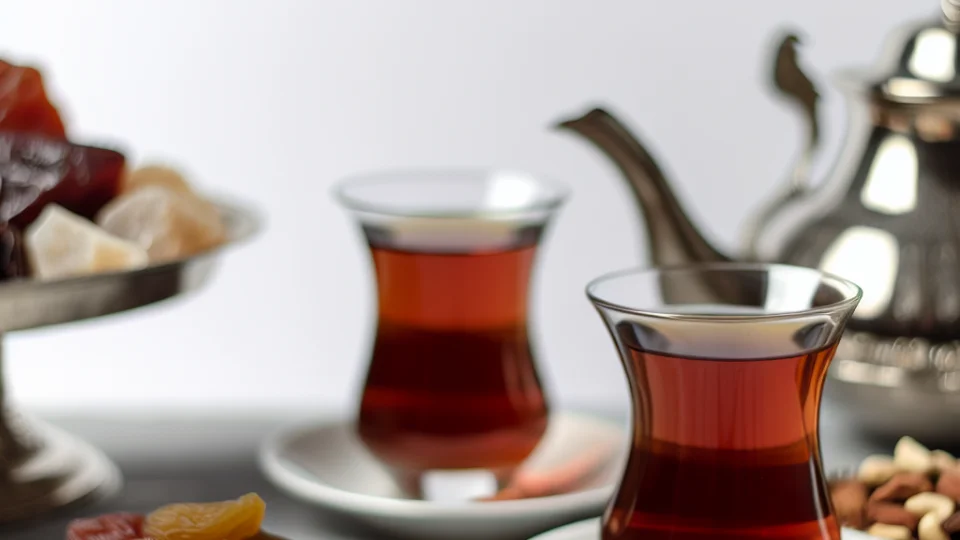
Ottoman tea, with its rich aroma and unique flavor, pairs perfectly with various accompaniments. The snacks that can be served alongside this tea reflect the flavors of traditional Turkish cuisine, offering guests an unforgettable experience. Among the accompaniments preferred especially during tea times, cheese varieties, olives, and nuts stand out. Additionally, various pastries, desserts, and fruits that can be served with Ottoman tea enhance its flavor. These snacks not only enrich the taste of the tea but also become part of enjoyable conversations.
Another group of accompaniments that can be served with Ottoman tea is desserts. Traditional Turkish sweets such as baklava, kadayıf, and şekerpare create a perfect harmony when combined with the warmth of the tea. These desserts balance the bitterness of the tea, leaving a pleasant taste on the palate. Moreover, fruit platters served alongside Ottoman tea are also quite popular. Fresh fruits, especially in the summer months, provide a refreshing effect next to the tea and enrich the guests' taste experience.
Additionally, pastries are among the accompaniments that can be served with Ottoman tea. Delicious pastries like poğaça, börek, and simit are indispensable snacks alongside the tea. These types of foods, combined with the warmth of the tea, offer both a filling and tasty meal. Especially the snacks prepared for guests showcase the hospitality of the hosts and the tradition of offering in Turkish culture. The variety served with Ottoman tea allows for increased social interactions and the enjoyment of delightful moments.
What is the History and Development of Ottoman Tea?
Ottoman tea is a deep-rooted part of Turkish tea culture and is a beverage that began to develop from the 15th century during the Ottoman Empire. The history of tea is closely linked to the consumption habits of Ottoman sultans. Particularly during the reign of Yavuz Sultan Selim, teas from Iran and India garnered great interest in the Ottoman palace. During this period, tea held an important place not only as a drink but also as a social ritual.
The development of Ottoman tea accelerated with the opening of trade routes and cultural interactions. In the 16th century, tea consumption began to spread in the palace, and special tea brewing techniques were developed, especially in the palace kitchen. The sweets and other treats served alongside tea became a part of this culture. Over time, tea was embraced by all segments of Ottoman society, becoming an indispensable element of daily life.
By the 19th century, the popularity of tea had increased, and local tea varieties were developed in many regions of the Ottoman State. Particularly, teas grown in Rize and its surrounding areas combined with Ottoman tea to create new flavors. These developments ensured that tea transitioned from being a beverage exclusive to the elite to one that was widely consumed among the public. Throughout this evolution, Ottoman tea gained significant cultural and economic value.
With the Republican era, Ottoman tea became Turkey's national beverage. With the proliferation of tea gardens and tea houses, the habit of drinking tea has become a deeply rooted tradition in society. Today, the legacy of Ottoman tea is maintained through various brewing methods and different flavors. This process holds an important place not just as a beverage, but also as a part of Turkish society's culture of socializing and hospitality.
What is Ottoman Tea and How is it Made?

Ottoman tea is an important part of Turkish tea culture, known for its rich aroma and unique flavor. This tea is typically made from black tea leaves that are grown in the Rize region and processed using special methods. During the Ottoman era, drinking tea was considered more than just a beverage; it was a social activity. Tea became an indispensable element of hospitality and the strengthening of friendships. Therefore, the process of making Ottoman tea is also a meticulous and traditional ritual.
The first step in making Ottoman tea is selecting high-quality tea leaves. Generally, fresh and young tea leaves are used. After the leaves undergo a drying and processing process, they are brewed with boiling water. The teapot is the most important tool in preparing Ottoman tea. Tea leaves are placed in the upper part, while water is added to the lower part, allowing it to brew slowly. This way, the aroma and flavor of the tea are brought out in the best possible way.
Although Ottoman tea is usually consumed plain, it can also be served with sugar or lemon upon request. The presentation of the tea is quite important; serving it in traditional Turkish tea glasses enhances the enjoyment of the tea. Especially when served to guests, Ottoman tea helps to strengthen friendships. Snacks such as börek or cookies, which are unique delights of Turkish cuisine, can also be offered alongside the tea. Thus, tea times become both a delicious and social experience.
What Are the Best Brewing Methods for Ottoman Tea?
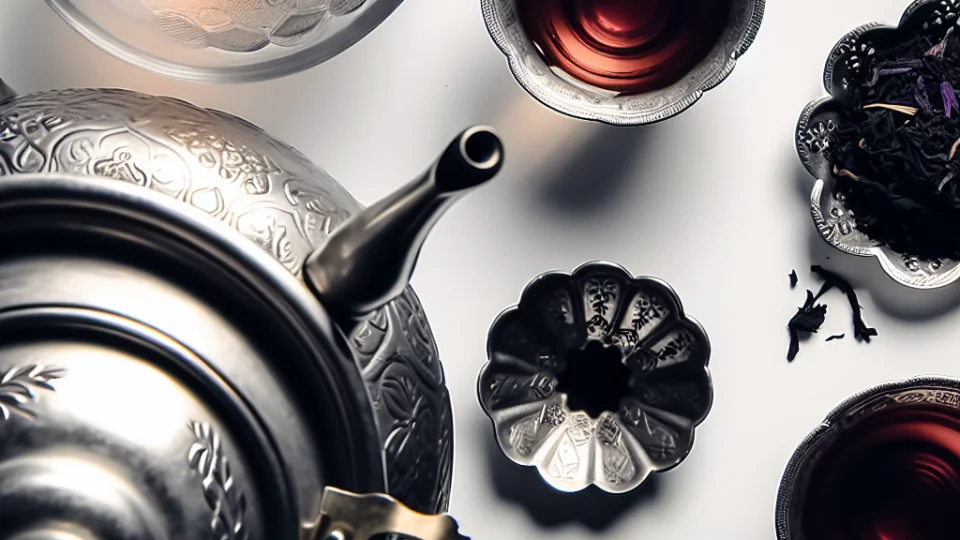
Ottoman tea is a beverage with deep and special roots in Turkish tea culture. The best brewing of this tea, which has been passed down from the Ottoman era to the present day, not only enhances its flavor but also fully reveals its health benefits. First of all, **the quality of the tea** is of great importance. To brew good Ottoman tea, it is essential to choose high-quality and fresh tea leaves. Teas sourced from the Rize region typically possess this quality. The freshness of the tea leaves is one of the key factors that determine the aroma and flavor obtained during the brewing process.
The second important point is **the quality of the water**. The water used during brewing should be clean and clear in taste and smell. Instead of tap water, using filtered or spring water can enhance the flavor. Water temperature is also one of the most crucial stages of brewing. It is recommended to let the water sit for a while after boiling and to keep it between 80-90°C to fully extract the essence of the tea leaves. This temperature allows the tea to brew without becoming bitter or losing its aroma.
Another key tip for brewing Ottoman tea is **the brewing time**. The duration that the tea leaves are left in the water directly affects the flavor. Generally, the brewing time for tea should be kept between 10-15 minutes. During this period, the tea leaves steep in the water, releasing their rich aroma and taste. If the tea is brewed for too long, it can develop a bitter taste. Considering all these factors, it is possible to brew your tea in the most ideal way.
Finally, **the presentation of the brewed tea** is also quite important for Ottoman tea. Traditionally, Ottoman tea is served in slender-waisted tea glasses. The shape of these glasses prevents the tea from cooling down, enhancing the enjoyment of drinking. It is customary to serve the tea alongside sugar or sweets, which is an indispensable part of Ottoman tea culture. This tea, offered to guests, is not just a beverage but also a symbol of friendship and sharing.