

What Are the Unique Health Benefits of Ottoman Tea?
Ottoman tea is renowned not only for its rich taste but also for its numerous health benefits. One of the most important advantages of consuming Ottoman tea is its high antioxidant content. Antioxidants play a crucial role in neutralizing harmful free radicals in the body; these radicals can lead to chronic diseases and accelerate the aging process. By incorporating Ottoman tea into your daily routine, you can help improve your overall health and well-being. This type of tea is particularly rich in flavonoids, which are known for their anti-inflammatory properties that contribute to a healthy lifestyle.
Another remarkable benefit of Ottoman tea is its potential to enhance heart health. Regular consumption of this tea has been associated with improved cardiovascular function due to its ability to lower cholesterol levels and enhance blood circulation. The flavonoids found in Ottoman tea, especially those present in Nayino's Ottoman Tea blend, can help reduce the risk of heart disease by maintaining healthy blood pressure levels. Additionally, the tea's anti-inflammatory properties may also aid in preventing plaque buildup in the arteries, thus promoting a healthier heart.
Finally, consuming Ottoman tea may be beneficial for mental well-being. The tea contains components that can help improve focus and cognitive function, making it an ideal beverage for those who need to stay alert throughout the day. The tradition of enjoying Ottoman tea often includes social aspects, which can further enhance mood and reduce feelings of loneliness or depression. By choosing Nayino's Ottoman Tea, you not only enjoy a delicious beverage but also support mental clarity and emotional health, making it a perfect addition to your daily routine.
How to Brew the Perfect Turkish Tea?
Brewing the perfect Turkish tea is an art that combines tradition with technique. To begin, you'll need high-quality tea leaves, preferably from the Rize region, famous for its rich aroma. Nayino Ottoman Tea is an excellent choice with carefully selected leaves that promise a robust flavor. First, boil fresh water in a double teapot, known as 'çaydanlık'. The bottom section should be filled with water, while the top section should be filled with tea leaves. This method provides a slow infusion that is critical for proper brewing.
- Use fresh, filtered water for the best flavor.
- Ensure the teapot is clean to avoid any residual taste.
Once the brewing process is complete, it's time to serve. Pour the brewed tea into a glass, filling it about one-third full, and then add hot water from the bottom. This method allows for customization according to individual taste preferences for each cup. It is important to note that Turkish tea is typically consumed without milk, allowing the natural flavors to shine through. Enjoy your Nayino Ottoman Tea with a piece of sugar or as is, appreciating the rich heritage of this beloved beverage.
Why Should You Choose Nayino's Ottoman Tea Over Other Brands?
When it comes to Turkish tea, Nayino's Ottoman Tea stands out for its exceptional quality and rich flavor profile. Sourced from the lush tea gardens of Rize, Nayino ensures that only the finest tea leaves are selected. This meticulous selection process not only guarantees a superior taste but also preserves the authentic essence of traditional Ottoman tea. The brand emphasizes sustainable farming practices, which means that every cup you enjoy contributes to the welfare of local farmers and the environment.
- High-quality, hand-picked leaves from Rize
- Expert blend for a perfect balance of flavor
- Sustainable farming practices that support local communities
- Rich history and tradition of Ottoman tea culture
Another compelling reason to choose Nayino's Ottoman Tea is its health benefits. Packed with antioxidants, this tea can aid digestion and support overall health. Nayino emphasizes the importance of preserving the natural properties of the tea leaves, ensuring that every cup you brew is not only delicious but also contributes to your well-being. By choosing Nayino, you are not only enjoying a delightful beverage; you are also making a choice that supports a healthier lifestyle and the rich traditions of Turkish tea.
What Makes Rize Tea Fundamental in Turkish Culture?
Rize tea, or Rize tea, is not just a beverage; it represents a deep cultural heritage in Turkey. This tea, coming from the lush, misty hills of Rize in the Black Sea region, is loved for its unique taste and aroma. The local climate, characterized by high humidity and rich soil, produces tea leaves that are famous for their quality and flavor. The significance of Rize tea goes beyond just a delightful sip; tea time serves as a valuable tradition in Turkish culture, acting as a social binder that brings families and friends together.
One of the key reasons why Rize tea is fundamental in Turkish culture is its health benefits. Rich in antioxidants, Rize tea is known to help combat various health issues, including cardiovascular diseases and digestive problems. The locals often consume it not just for enjoyment but also for its wellness properties. In addition, the caffeine content in Rize tea can provide an energy boost, making it a popular choice for both relaxation and revitalization. This makes it not only a refreshing drink but also a functional one in daily life.
Finally, the cultural significance of Rize tea is reflected in its ritualistic brewing methods. The traditional way of brewing Rize tea involves using a special double teapot, where the tea is brewed slowly to achieve the fullest flavor. This preparation method is not just about making tea; it is a ceremonial act that showcases the importance of patience and care in Turkish tea culture. Nayino's Ottoman Tea emphasizes these traditional brewing methods, allowing tea drinkers to connect with Turkey's rich tea heritage and have an authentic experience.
How to Choose the Best Turkish Tea That Suits Your Taste?
Selecting the best Turkish tea for your taste is an art that involves understanding the various flavors, aromas, and types available. Turkish tea, especially the renowned Ottoman tea, boasts a rich history and diverse flavor profiles that cater to a wide range of preferences. Start by considering the type of tea you enjoy. For instance, if you prefer a more robust flavor, Nayino's Ottoman Tea might be the ideal choice as it delivers a strong yet balanced taste that is deeply rooted in tradition. The quality of the leaves and the region they come from also play a significant role in determining the flavor.
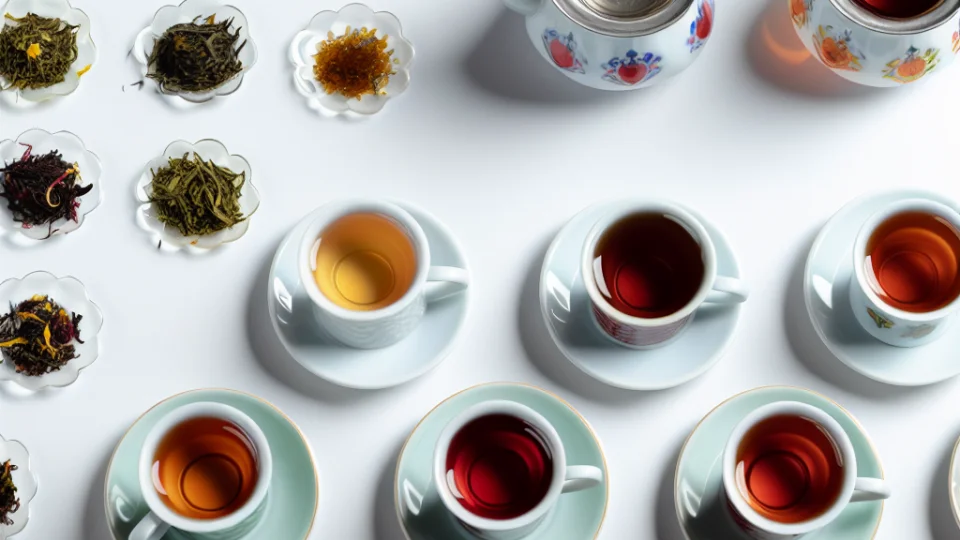
Next, explore the different characteristics of Turkish tea, such as its color, aroma, and brewing strength. Many tea enthusiasts appreciate the deep amber color of a well-brewed Ottoman tea, which can be an indicator of its quality. Aroma is also quite important and can enhance your drinking experience. When selecting tea, prefer brands that prioritize high-quality leaves sourced from Turkey's best regions, such as Nayino. This can significantly affect the overall taste and enjoyment of your tea.
Another important factor is the brewing method; this can vary significantly between different types of Turkish tea. For example, Nayino's Ottoman Tea tastes best when brewed using traditional methods that allow the flavors to fully develop. Pay attention to the brewing time and water temperature; these can greatly affect the flavor profile. Experimenting with different brewing techniques can help you find the perfect cup that suits your palate and provides an enjoyable tea-drinking experience.
Finally, considering your personal preferences plays a vital role in the selection process. Think about your taste for sweetness, bitterness, or floral notes. Some people enjoy their tea plain, while others prefer to add sugar or lemon. When trying Nayino's Ottoman Tea, you can experiment with different additions to find your perfect blend. Additionally, don't hesitate to explore various brands and types until you find one that appeals to your taste. The journey to discovering your ideal Turkish tea can be as enjoyable as the tea itself.