What is a Tea Stain and Why Does It Occur?

A tea stain is a permanent mark that occurs when beverages with a strong color, such as Turkish tea, come into contact with carpet or fabric surfaces. These stains arise from the interaction of substances like tannins and flavonoids found in tea with the fabric. Tea consumption is quite common in Turkey, and as a result, tea stains are a frequent issue encountered in homes. Especially during gatherings, accidents can lead to tea stains on carpets or coverings. This situation creates both an aesthetic problem and a need for cleaning.
The reason for the formation of tea stains is the concentration of natural components present in the tea. Some teas, particularly Rize tea, are known for their dark colors, which makes the stain more pronounced. Additionally, the heat of the tea allows it to penetrate deeper into the fibers of the fabric. Therefore, if care is not taken while drinking tea, permanent stains can form on carpets or fabrics. Different types of fabrics may react differently regarding the permanence of these stains; for instance, natural fibers are at a higher risk of staining compared to synthetic fibers.
- Tannins in tea create stains.
- Hot tea penetrates the fabric more deeply.
- Fabric types affect stain permanence.
- Quick intervention is crucial for stain removal.
To prevent the formation of tea stains, care should be taken while consuming tea. For example, appropriate teapots and cups can be used to prevent spills. If a stain does occur, it is essential to address these stains promptly. Otherwise, the stain will inevitably become permanent. There are special cleaning methods and materials available for removing tea stains. Therefore, it is very important for those who encounter tea stains to be aware of this information.
What Are the First Steps to Remove Tea Stains from Carpet?
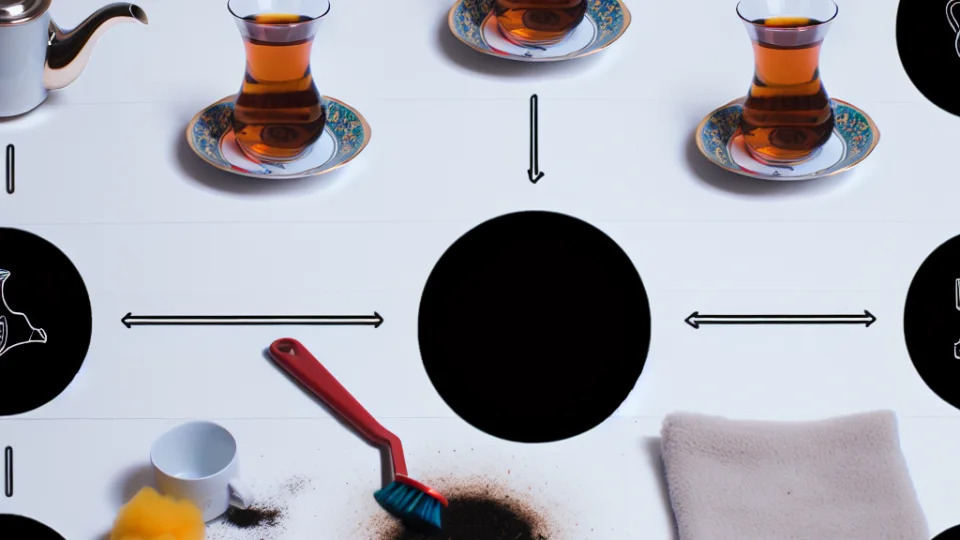
The first step in removing a tea stain from carpet is to prepare to intervene in the stained area immediately. The fresher the tea stain, the easier it is to remove. First, gently blot the area around the stain with a clean cloth or paper towel. This process prevents the stain from spreading further and penetrating deeper into the carpet. It is essential to avoid rubbing the stain, as this can cause it to go deeper.
In the second step, it is important to determine the amount of tea spilled on the carpet. If the tea stain covers a large area, you may need to use more cleaning supplies. You can create your own cleaning solution. To do this, simply mix a teaspoon of liquid soap with a cup of warm water. This mixture provides an effective method to remove the stain without affecting the color of the carpet.
- Prepare the necessary cleaning supplies: soap, water, cloth.
- Pour the solution over the stain and wait a few minutes.
- Gently blot to remove the stain, never scrub.
- After the process, rinse the area and allow it to dry.
In the final step, it is necessary to rinse the cleaned area of the carpet. To enhance the effect of the soapy mixture you prepared, you should pour a little more warm water over the carpet while rinsing. This step is critical to ensure that no soap residue is left on the carpet. Finally, make sure to provide good airflow for the carpet to dry. If necessary, drying the carpet outside in the sun is an effective method to completely remove the stain and keep the carpet fresh.
What Materials Can I Use to Remove Tea Stains?
There are many materials you can use to remove tea stains. These materials can help you effectively clean tea stains from your carpet. First of all, baking soda and soda are very effective natural ingredients. When baking soda is sprinkled on the stain and left for a while, it helps absorb and weaken the stain. Soda, when mixed with water, creates an effective cleaning solution. These types of natural materials are among the best ways to clean the stain without damaging the fibers of your carpet.
Additionally, materials like vinegar and soap are also commonly preferred for removing tea stains. White vinegar acts as an effective acidic agent to lighten the color of the stain. Soap has the capacity to dissolve oil-based stains and plays an important role in removing tea stains. A solution made by mixing a bit of white vinegar and soap can yield effective results when applied to the stain.
Moreover, lemon juice can also be used as an excellent natural cleaner for tea stains. The acidic nature of lemon helps dissolve the stain while also releasing a pleasant scent. Applying a solution made by mixing lemon juice with water to the stain not only helps weaken the stain but also gives your carpet a fresh scent. Lemon juice is a great option for those looking for a natural and effective alternative.
Finally, traditional methods such as marshmallow herb and salt can also be used to remove tea stains. Herbal materials like linden help dissolve the stain, while salt can enhance the absorption of the stain. Salt is particularly effective for fresh stains. Sprinkling salt directly on the stain and letting it sit for a while before rinsing with water can help remove the stain. These natural methods ensure effective removal of tea stains while protecting your carpets.
How to Remove Tea Stains with Natural Methods at Home?
Tea stains often leave unwanted marks on our carpets. However, it is possible to remove these stains using natural methods. As a first step, it is important to act quickly if the tea stain is fresh. The process of removing the stain may vary depending on how long it has been on the carpet. For fresh stains, initial cleaning can be done using water and soap. In all these methods, it is necessary to wipe from the outside in to prevent the stain from spreading. This way, the tea stain can be removed from the carpet before it penetrates deeper.
One of the most effective natural materials for removing tea stains at home is vinegar and baking soda. While vinegar helps dissolve the stain on the carpet, baking soda absorbs it when sprinkled on top. Mixing vinegar with water and pouring it over the stain for 10-15 minutes helps soften the stain. Then, by sprinkling baking soda on top and gently scrubbing, it is possible to ensure the stain is completely removed. This method offers both a natural and effective solution.
Additionally, lemon juice is also an effective material for removing tea stains. Thanks to its acidic nature, lemon juice lightens the color of the stain and makes it easier to remove from the carpet. Applying a mixture of lemon juice and water to the stained area helps in removing the stain. However, caution should be exercised when using lemon juice, as some types of carpets may be sensitive to acidic substances. Therefore, it is recommended to test it in an inconspicuous area first.
Finally, using a mixture of hot water and soap to clean tea stains is also a natural method. Hot water helps dissolve the stain, while soap cleans the dirt from the carpet. Applying this mixture with a cloth aids in both surface and deep cleaning of the stain. All these methods are effective ways to remove tea stains naturally at home and help keep your carpets clean without the need for chemical cleaning products.
Which Cleaning Products Are Effective for Tea Stains?
There are many cleaning products that can be used to remove tea stains. Firstly, liquid detergents are quite effective; as these products break down the oil-based components of tea, allowing the stain to come out of the carpet easily. You can apply the detergent directly to the stained area and then gently rub it to help dissolve the stain. Additionally, by adding water to the stain, you can ensure that the detergent spreads better. When using detergent, it is advisable to test it on a small area first to avoid damaging the carpet's color.
Moreover, vinegar stands out as an effective cleaning agent. The acidic nature of vinegar helps to dissolve tea stains. By mixing equal parts of water and vinegar in a spray bottle, you can spray it onto the stain and then gently wipe it with a cloth. Using vinegar is beneficial not only for tea stains but also for the overall cleaning of the carpet. However, it is wise to check whether vinegar is suitable for the carpet's texture before use.
Baking soda is also an effective alternative for tea stains. You can mix baking soda with a small amount of water to create a paste and apply it to the stain. After waiting for about 15-20 minutes, you can wipe it off with a damp cloth. Baking soda is known for its stain removal and odor neutralizing properties. You should be gentle during application to prevent further damage to the stained area.
Finally, hydrogen peroxide is another effective product that can be used for tea stains. Hydrogen peroxide helps to whiten stains while also preserving the carpet's texture. You can apply hydrogen peroxide to the stain with a cloth and then rinse with water. However, you should remember that hydrogen peroxide can potentially damage the carpet's color. Therefore, it is recommended to test each cleaning product on a small corner of your carpet first.
What Should I Pay Attention to After Cleaning the Carpet?
One of the most important steps after removing a tea stain from the carpet is how to dry the carpet after cleaning. After cleaning the carpet, applying proper drying techniques is crucial to prevent the stain from reappearing. Exposing the carpet directly to sunlight can cause the colors to fade. Instead, drying the carpet in a well-ventilated area, in the shade, is a healthier method. Additionally, care should be taken to ensure that the underside of the carpet is also ventilated; this way, no moisture will remain, and the carpet will dry healthily.
After the cleaning process, it is necessary to pay attention to the surface of the carpet. Cleaning the carpet without fraying the fibers ensures its longevity. After cleaning, it is important to lightly brush the surface of the carpet to remove accumulated dust and dirt. However, during this brushing process, a soft-bristled brush should be used to avoid damaging the carpet's structure. Otherwise, the texture of the carpet may be compromised, negatively affecting its appearance.
Additionally, using deodorizing products after cleaning the carpet can also be beneficial. A tea stain can sometimes leave residues in the carpet fibers, leading to unwanted odors. One natural method is to sprinkle baking soda on the carpet and let it sit for a few hours. Baking soda has the ability to absorb odors and helps the carpet achieve a fresh scent. Such applications after cleaning help keep the carpet looking fresh and clean.
Finally, regularly cleaning the carpet is also important for protection. To avoid stubborn stains like tea stains, carpet maintenance should not be neglected. Deep cleaning the carpet every six months helps prevent stains and extends the carpet's lifespan. Additionally, avoiding placing heavy objects on the carpet when it is not in use contributes to maintaining its shape. These simple maintenance tips will ensure that your carpet always looks new.
What Should I Do If the Tea Stain Won't Come Out?
If the tea stain on your carpet hasn't come out, the first step is to avoid panicking. Tea stains, especially fresh ones, are generally easier to remove. However, older stains may have penetrated deeper into the carpet's fibers. In this case, you may need to try new methods. First, moistening the stained area of the carpet can help dissolve the stain. You can use slightly cold water for this. Water helps to dissolve the stain, but be careful not to soak it too much.
Another important method for removing tea stains is to use natural ingredients. Ingredients like white vinegar, lemon juice, or baking soda can be effective in tackling the stain. For example, you can pour a bit of white vinegar over the stain and try wiping it with a clean cloth after waiting a few minutes. This process can help lighten the stain's color. However, you should be careful not to damage the carpet's color and texture while applying these methods.
If the tea stain still hasn't come out, you might consider using a professional cleaning service. Especially stubborn and old stains may not come out with home methods. Professional cleaning companies can clean your carpet using special chemicals and techniques, ensuring that the stain is completely removed. These services typically provide deep cleaning without damaging the carpet's fibers. However, before choosing this option, make sure you find a company that is suitable for your carpet's material.
Finally, if the tea stain won't come out, you can find a temporary solution by placing a carpet cover or rug over the stain. This will not only hide the appearance of the stain but also maintain the overall look of your carpet. However, this is not a permanent solution and may cause the stain to spread further over time. Therefore, it is important to intervene in stains promptly. Remember, the sooner you address tea stains, the easier they will be to remove.