What Are the Benefits of Drinking Tea on a Diet?

Drinking tea on a diet has many benefits. Especially due to its antioxidant properties, it helps the body to detoxify. Tea helps neutralize free radicals in the body, preventing cell damage. Additionally, the flavonoids found in tea support heart health and improve blood circulation. Research has shown that regular tea consumption may reduce the risk of heart disease. Therefore, incorporating tea into your diet can become an important part of a healthy lifestyle.
Another significant benefit of tea is its metabolism-boosting property. Especially green tea promotes fat burning by accelerating metabolism. The caffeine and catechins in it help break down fat cells, which supports weight loss. Adding tea to your diet plan can reduce calorie intake while simultaneously promoting fat burning. This effect becomes more pronounced with regular and balanced tea consumption.
Another important benefit of tea in a diet is its capacity to maintain emotional balance. The L-theanine compound found in tea reduces stress and provides mental relaxation. This can alleviate the psychological pressure experienced during the weight loss process. Thanks to its calming effect, drinking tea helps cope with daily stress. Thus, while transitioning to a healthier lifestyle, it also becomes possible to achieve emotional balance.
What Are the Differences Between Ottoman Tea and Rize Tea?
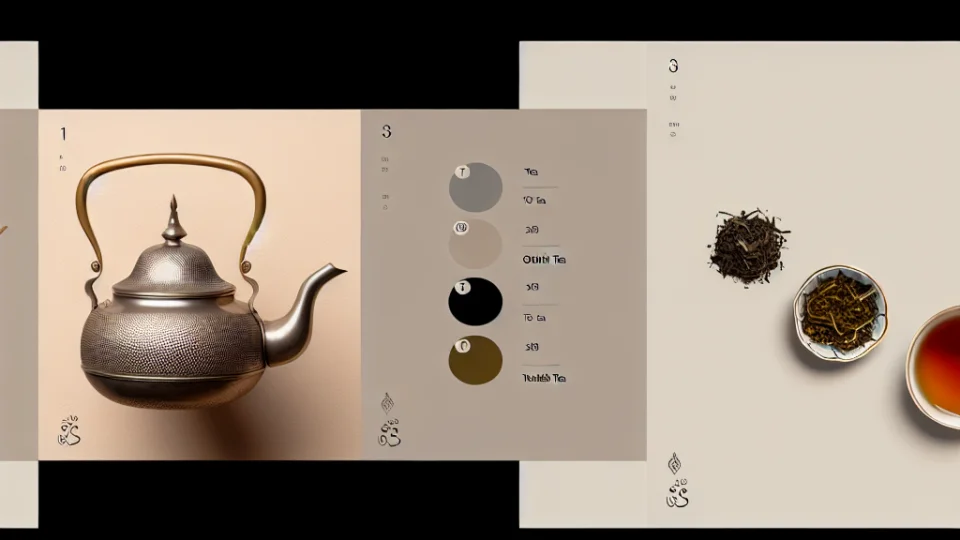
Ottoman tea and Rize tea are two significant representatives of Turkey's rich tea culture. Both teas have their unique characteristics and flavor profiles. Ottoman tea generally offers a more intense and rich taste, while Rize tea provides a lighter and more aromatic drinking experience. Historically, Ottoman tea became popular during the Ottoman Empire and is known as a special type of tea served in palaces. Rize tea, on the other hand, is grown in the mountainous regions of Rize, influenced by the climate and soil of the Black Sea region.
The production process of Ottoman tea is carried out using traditional methods. This tea is typically subjected to more processing, resulting in a more distinct aroma and flavor profile. Rize tea, however, has a more natural production process, which helps develop a light and fresh taste. The leaves of Rize tea are thinner and more delicate, allowing them to steep quickly in hot water, bringing out the tea's rich aromas. This makes Rize tea particularly popular as a refreshing beverage in the summer months.
In terms of nutritional values, both teas offer numerous health benefits. Ottoman tea, with its unique rich content, possesses antioxidant properties, while Rize tea is known for its high flavonoid content. Both types of tea contain components that support body health and can thus be included in various diet programs. They can also aid in weight control thanks to their metabolism-boosting effects. However, considering the different flavor profiles and health benefits of these teas, it is important to make a choice based on personal preferences.
In conclusion, the differences between Ottoman tea and Rize tea are not limited to taste and aroma. Each is distinguished by its own growing conditions, production processes, and historical context. Consumers' preferences between these two teas are often based on personal taste and health goals. Therefore, trying both teas and exploring their differences will be an important experience for better understanding Turkish tea culture. Both teas are regarded as an indispensable part of Turkish culture.
Weight Loss Methods with Tea: How Should It Be Consumed Correctly?
Weight loss methods with tea stand out as an important part of a healthy lifestyle. Natural teas, especially Turkish tea and Ottoman tea, may have supportive properties for the dieting process. Proper consumption methods are crucial to enhance the effects of tea on weight loss. The antioxidants and other beneficial components in tea can accelerate metabolism and support fat burning. Therefore, making tea consumption a regular habit can contribute to your weight loss efforts.
One of the most effective ways to consume tea is to do it at the right timing. A cup of tea consumed in the morning on an empty stomach boosts energy levels throughout the day and revitalizes metabolism. Additionally, drinking tea before meals can reduce feelings of hunger, allowing you to eat less. Furthermore, consuming tea during snack times, when combined with healthy snacking habits, can support your weight loss process. These strategies are important to maximize the positive effects of tea on weight loss.
Other foods consumed alongside tea can also support the weight loss process. For example, lemon or ginger consumed with tea can enhance the fat-burning effects of tea. Moreover, opting for plain or lightly sweetened tea instead of sugary or creamy teas helps reduce calorie intake, aiding you in reaching your weight loss goals. Adding natural spices to enhance the flavor of tea provides a healthy and satisfying beverage experience. In conclusion, the correct consumption methods of tea play a significant role in the weight loss process.
What Are the Other Health Benefits of Tea?
The health effects of tea are not limited to weight loss. Turkish tea protects the body from free radicals thanks to its antioxidants. This slows down the aging process of cells and reduces the risk of many chronic diseases. Especially Rize tea is known for its high antioxidant content and strengthens the immune system when consumed regularly. In addition, the flavonoids found in tea support heart health and help balance blood pressure.
Moreover, the caffeine contained in tea increases mental alertness and improves concentration. Different types of tea, such as Ottoman tea, elevate energy levels throughout the day due to this caffeine content. Tea consumption helps manage stress by reducing mental fatigue. Additionally, the amino acid L-theanine found in tea provides mental calmness and reduces anxiety, positively affecting mood.
Another significant benefit of tea is its positive effects on the digestive system. Especially Black Sea tea is recommended to alleviate digestive issues. Tea balances stomach acid and facilitates digestion. Drinking tea, especially after meals, reduces the feeling of indigestion and contributes to the regular functioning of the digestive system. Furthermore, regular tea consumption supports liver health by aiding in the elimination of toxins.
Finally, the effects of tea consumption on mood cannot be overlooked. Tea increases the release of happiness hormones thanks to its components. Therefore, having a cup of tea on stressful days provides relaxation and improves mood. Traditional beverages like Turkish tea enhance social interactions, bringing people together and allowing for the sharing of enjoyable moments.
What Are the Key Points to Consider When Consuming Tea?
Tea consumption is an important topic, especially for those on a diet. However, choosing the right tea and the timing of consumption play a critical role in this process. For example, certain teas like green tea and black tea are known for their antioxidants and metabolism-boosting properties. Additionally, it is important to avoid adding sugar. Sugary teas can increase calorie intake, making it harder to achieve your diet goals. Therefore, drinking your tea plain will be a healthier option.
Another point to consider in tea consumption is dosage. Your daily tea intake should not be high enough to negatively affect your health. Generally, 2-3 cups of tea per day is considered a sufficient and healthy amount. Otherwise, excessive caffeine intake can lead to irritability, insomnia, and digestive issues in some individuals. Therefore, consuming your tea in moderation will help make your diet process healthier.
Regulating your tea consumption while on a diet will support your weight loss process. To benefit from tea, you should pay attention to which tea you drink and when. For instance, a cup of green tea consumed in the afternoon can reduce your feelings of hunger before dinner. However, due to the caffeine content of tea, avoiding consumption in the evening is important for better sleep quality. These points will make your tea consumption more efficient.
What is the Tea's Ability to Boost Metabolism?
The ability of tea to boost metabolism arises from its caffeine and antioxidants. Varieties such as green tea and Black Sea tea particularly exhibit this effect more prominently. Caffeine increases energy expenditure in the body, while antioxidants help in the renewal of cells. When these two factors come together, a noticeable increase in metabolic rate can be observed. This, in turn, has positive effects on weight control and fat burning.
The metabolism-boosting effect of tea has been supported by numerous scientific studies. Research has shown that regular consumption of tea can increase fat burning. This is particularly beneficial for individuals following diet programs. The polyphenols in tea promote the breakdown of fat cells while also helping to balance insulin levels. As a result, tea consumption becomes an essential part of a healthy lifestyle.
Moreover, tea consumption not only boosts metabolism but also has positive effects on overall health. Regular tea consumption offers benefits such as protecting heart health, reducing cancer risk, and delaying signs of aging. Traditional varieties like Turkish tea and Ottoman tea provide these health benefits while also offering cultural richness. Therefore, drinking tea is a rich experience in terms of both flavor and health.
Which Teas Reduce Hunger the Most?
Tea is not only known for its flavor and health benefits, but it also plays an important role in weight control. Certain types of tea can be particularly effective in reducing feelings of hunger. These teas help speed up metabolism while simultaneously suppressing appetite due to their components. For example, green tea increases fat burning and reduces hunger feelings thanks to its catechins. Therefore, it is a great alternative that you can include in your diet program.
Additionally, Rize tea offers an effective option for reducing hunger feelings. Rize tea is known for its high antioxidant content, and thanks to these properties, it detoxifies the body while also creating a feeling of fullness. Moreover, the caffeine in this tea can help increase energy levels, allowing you to feel full for a longer time. Drinking a cup of Rize tea before meals can particularly help you keep your appetite in check.
Ottoman tea is another important tea to consider during the dieting process. Due to its traditional structure and the herbal components it contains, this tea can be effective in reducing feelings of hunger. In particular, some herbs found in this tea facilitate digestion while also providing a long-lasting feeling of fullness. Additionally, Ottoman tea meets your daily fluid needs while appealing to your taste buds with its rich aroma.
Finally, chamomile tea is another tea that stands out for its ability to reduce hunger feelings. Chamomile tea, with its soothing effect on the digestive system, reduces discomfort that may occur after meals while also creating a feeling of fullness. Furthermore, the calming effect of this tea can help you cope with stress, thereby preventing you from reaching for unnecessary snacks. By adding different types of tea to your diet program, you can follow a path that is both healthy and delicious.